Showcase

Roberto First to fire

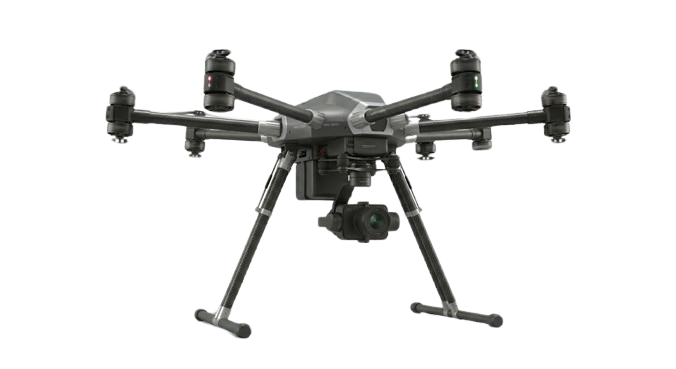
A rapid-response drone system designed to arrive at a fire site within 2 minutes, deploying lightweight, high-efficiency F-500 molecular suppression projectiles before firefighters arrive.

SCROLL TO DISCOVER
Roberto Drone Response

We are too slow.

30s
Fires double in size. Every 30 to 60 seconds, a flame multiplies. Exponential growth does not wait.
6m
Trucks are stuck in traffic. Average city response is 4–6 minutes. Rural is 8–10. By then, the house is gone.
H₂O
Water is heavy. Traditional methods carry weight. It slows down vehicles. We are reactive, not proactive.

"The first 2 minutes determine if a fire is a minor incident or a major tragedy. We're currently missing that window."

See Roberto in Action

Watch the rapid launch, flight path mapping, and precision projectile deployment simulation.

ROBERTO_SIMULATION_V1.MP4

Drone capabilities.

Engineered with high-speed telemetry telemetry streams, target automation, and fail-safe safety grids.

High-Speed Telemetry

Real-time dual-agent communication system transmitting 4K thermal imagery, flight logs, and automated target assessment data within 12ms.

Built-in Redundancy

Triple-redundant IMUs, lidar sensors, and autonomous landing protocols ensure flight stability in dense smoke and zero-GPS zones.

Thermal Targeting

Dual-spectrum thermal vision detects hotspots under thick foliage cover and automatically calculates precise projectile trajectories.

Collaborative Mesh

Self-healing peer-to-peer network grid allows multiple Roberto units to collaborate and coordinate tactical fire suppression without central commands.

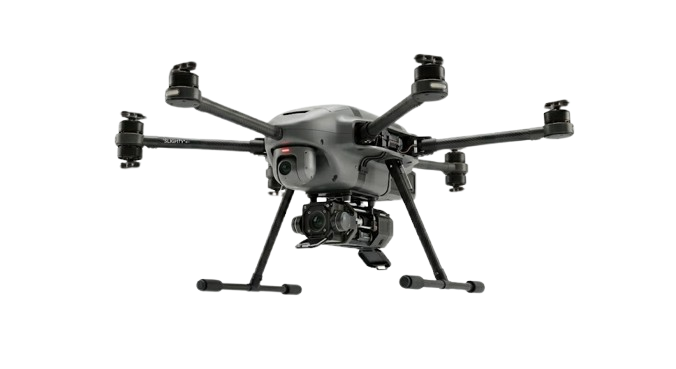
ROBERTO INTEGRATED HARDWARE & SOFTWARE STACK
F-500 ENCAPSULATOR
CO₂ LAUNCHER
AI VISION MODEL
FLIR THERMAL RADAR
UAV HEAVY FRAME
RAPID DISPATCH LINK
F-500 ENCAPSULATOR
CO₂ LAUNCHER
AI VISION MODEL
FLIR THERMAL RADAR
UAV HEAVY FRAME
RAPID DISPATCH LINK

Test response speed.

Simulate and compare drone dispatch flight times against traditional land vehicle transits.

Compare your speed
Station 01 (Base Link)
RESPONSE TIME Fastest route 120 km/h Air Speed
1m 48s
Launch 10s
Transit 50s
Scan 30s
Engage 18s
TRADITIONAL TRUCK Land route Subject to traffic delays
5m 30s
Roberto Drone Left Facing

Common questions.

Everything you need to know about Roberto's dispatch system and fire suppression tech.

Fire-induced winds are a major challenge for precision drone operations. Here's how Roberto is designed to handle them:

  • Certified Wind Resistance: According to technical standards for firefighting drones, Roberto is built to operate in winds up to 12 meters per second (about 27 mph), which is classified as a strong breeze (Beaufort force 6). Within this range, it can maintain stable flight and hover with high precision.
  • Advanced Flight Control: Roberto will integrate advanced sensing and control technologies specifically designed to withstand the severe turbulence and gusty conditions found near fires.
  • Specialized Design: If the standard design isn't robust enough for extreme conditions, the platform can be adapted. Fixed-wing vertical take-off and landing (VTOL) designs, for instance, offer better stability in strong winds than conventional rotary-wing drones. The drone can also be fitted with specialized gust sensors integrated into its rotors to maintain stability while carrying a heavy payload.

F-500 is an advanced firefighting agent that works very differently from water. It employs micelle encapsulation technology, meaning it creates microscopic spheres that encapsulate flammable vapors at a molecular level, rendering them non-flammable. It doesn't rely on forming a physical blanket like foam does. This gives it several key advantages:

  • Superior Cooling Power: A 3% F-500 solution cools thermal runaway events (like battery fires) up to 20 times faster than water.
  • Faster Suppression: In tests on lithium-ion battery fires, a 3% F-500 solution achieved the shortest suppression time (49 seconds) compared to water mist and other agents.
  • Smoke and Toxin Suppression: F-500 actively suppresses smoke and the toxins released by fires.
  • Environmentally Safe: It is biodegradable, non-toxic, non-corrosive, and free from PFAS and fluorine.

The flight path is a collaboration between the drone's autonomous systems and a human operator:

  • Autonomous Capabilities: Roberto is capable of autonomous takeoff, following predetermined flight paths, and hovering over a detected fire. AI methods are used to automate navigation over fire zones.
  • Human-in-the-Loop: The system is designed with a human operator making the final decisions, particularly on engaging the target. The operator can also take full manual control at any time to dynamically adjust the flight plan or in an emergency.

Locating the fire's core is Roberto's primary mission, and it's designed to do this even in zero-visibility conditions:

  • Thermal Imaging: The drone uses a thermal camera (infrared sensor) which can see through dense smoke. Unlike a standard optical camera, it detects heat, revealing areas of extreme heat that are invisible to the eye.
  • Identifying the Hotspot: The thermal imagery allows the operator to pinpoint the main fire sources even if they are hidden under debris, smoke, or flames. The camera provides a temperature readout for different areas, helping to distinguish the core from less intense hotspots.

Built by two friends.

We got tired of waiting for solutions, so we decided to build one ourselves.

Arsh Hasib

Arsh Hasib

AI Engineer & Freelance Developer
  • Trained the thermal camera computer vision model (92% accuracy).
  • Programmed this website, layout grids, and drone flight telemetry.
  • Late-night code debugger who keeps the system architecture running.
Muhammed Asir

Muhammed Asir

Robotics Enthusiast & Video Creator
  • Edited and timed the high-octane 3D simulation video in the showcase.
  • Passionate about robotics, helping with hardware layout and physical frame building.
  • Blends cinematic pacing with actual drone flight dynamics to make the project stand out.